
Honor Bird
Consulting
The Human Polarity Model™

Every system already caters to someone. Government, business, product — it doesn't matter which sector. The question was never whether your model leaves people out. It does. The question is whether you know who, and whether you're willing to look at that directly.

A human-centered approach to policy, systems, and organizational design.

The Human Polarity Model™ is a method for identifying which human values, needs, or worldviews a system has optimized for, which ones it has marginalized, and deciding — consciously rather than accidentally — what tradeoffs are acceptable.

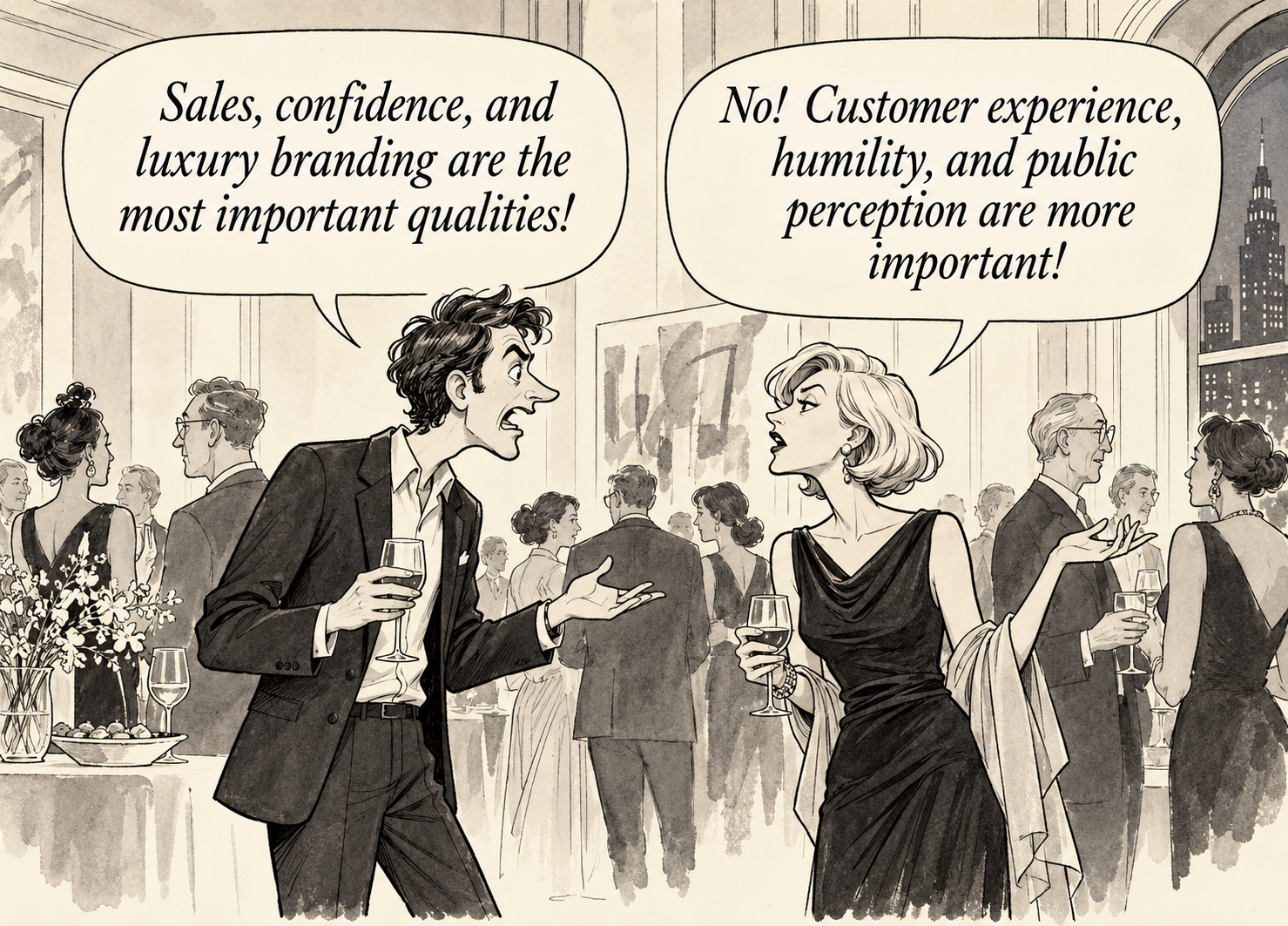
Most organizational conflict doesn't start with bad people. It starts with good people defending half the truth.

Two figures shouting past each other — one asserting integrity, humility, love and service; the other asserting complexity, confidence, boundaries and self-care.
Figure 01 — Half the truth, defended twice.

These two worldviews aren't abstract categories. They're the lens for understanding exactly where, and why, your policy, product, or program is failing the people it was built to serve.

Cases in Point

Legacy Institution's Public Engagement Strategy

The Challenge
A historic library wanted to grow its reach and revenue, but programming, marketing, and fundraising ran in silos — and an unmarked, intimidating entry quietly told first-time visitors they didn't belong.
The Intervention
We ran a full institutional assessment, stakeholder interviews, comparator analysis, financial review, and traced the real bottleneck to structure, not marketing. Delivered a roadmap that folded development, communications, and programming into one plan, and treated the entrance itself as part of the experience.
The Reframe
What came in as a marketing problem turned out to be structural. The building itself was telling newcomers they didn't belong before a single program ever reached them.

Behavioral Health Intake Redesign

The Challenge
An intake model required clients to submit proof of stability prior to entering treatment.
The Intervention
Applied the Human Polarity Model™ to remove the proof requirement and restructure intake around trust.
The Result
91% full engagement and 94% intent to return in a hard-to-reach population. Not because we pushed harder. Because we stopped requiring the mask.